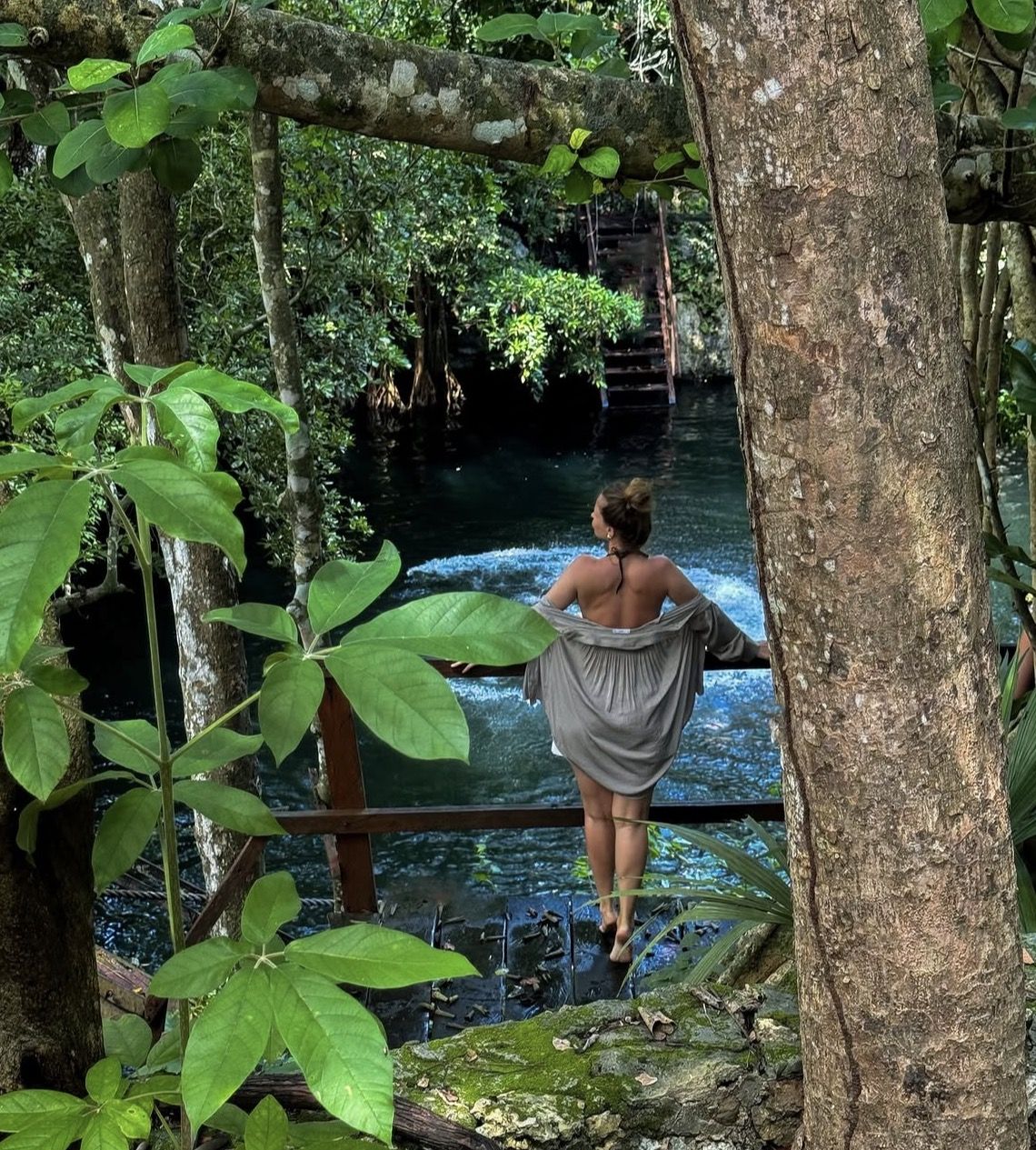
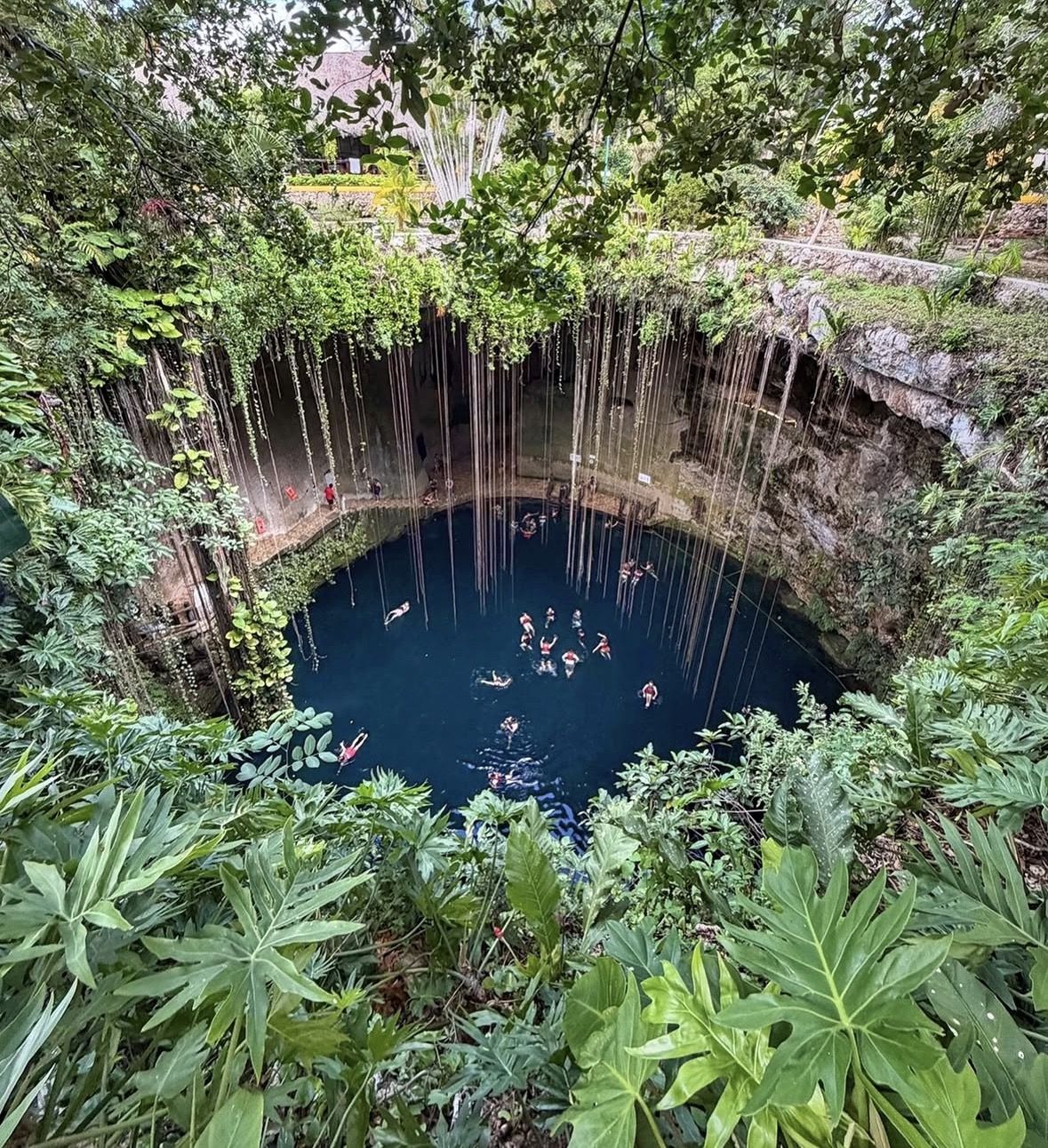
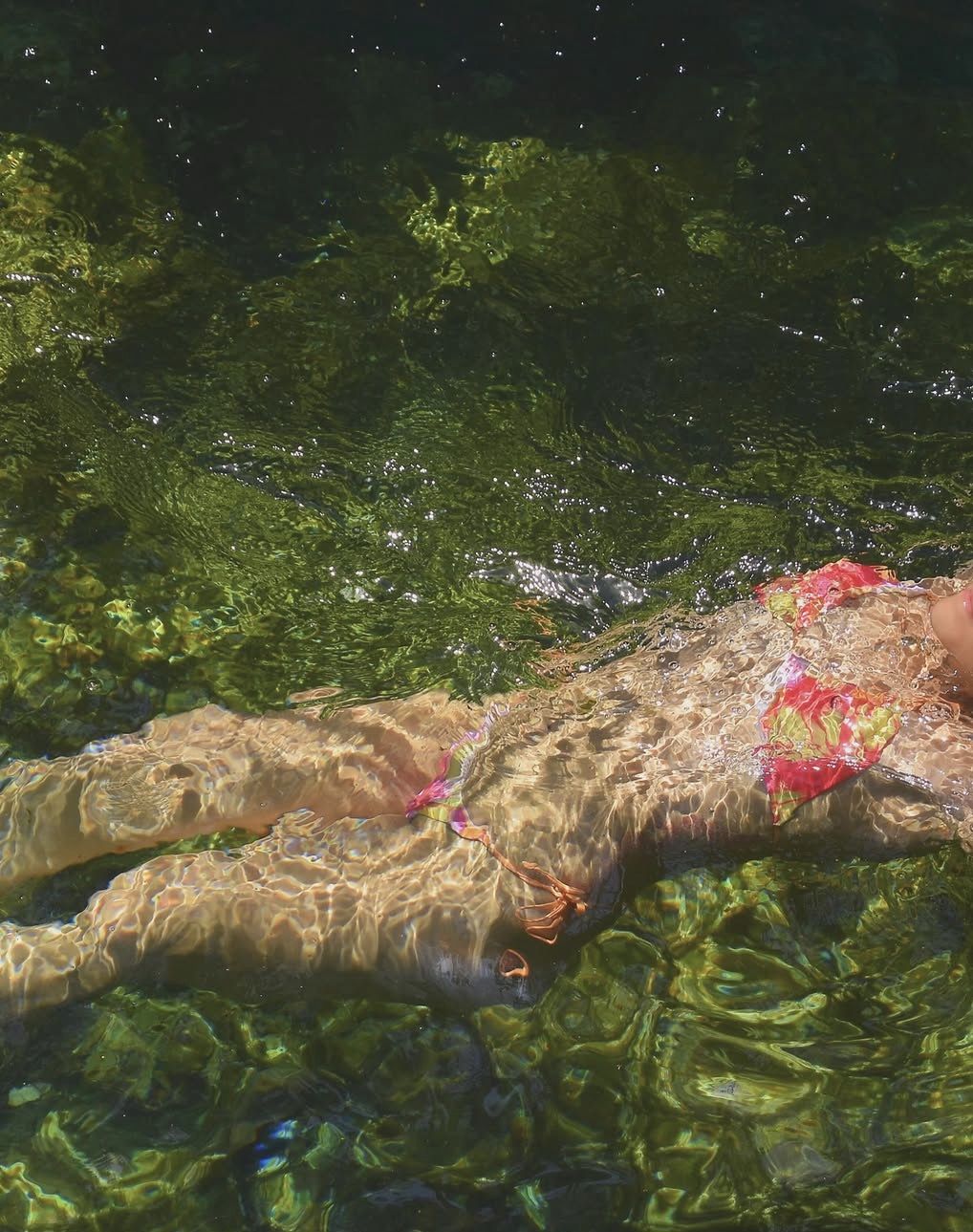
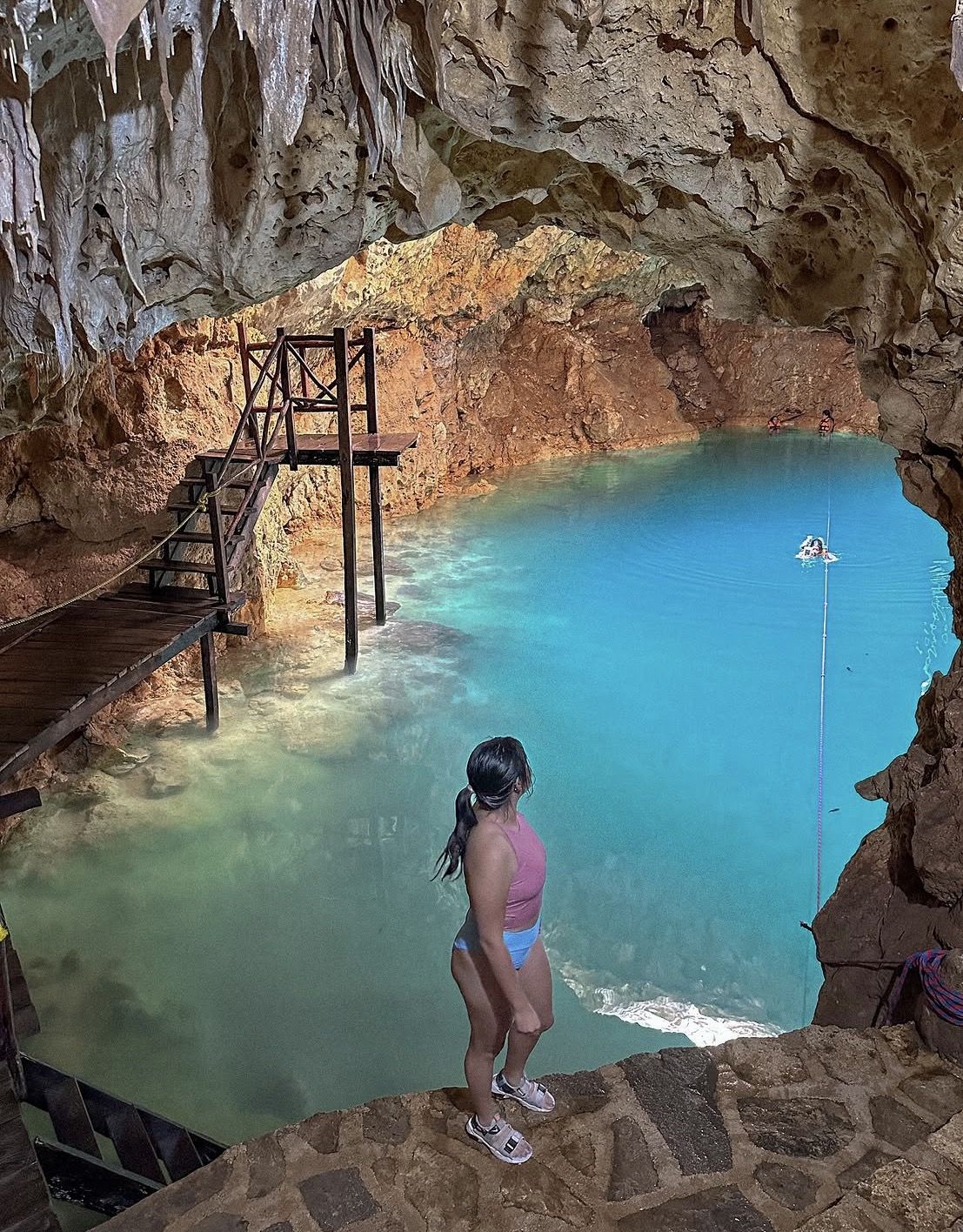
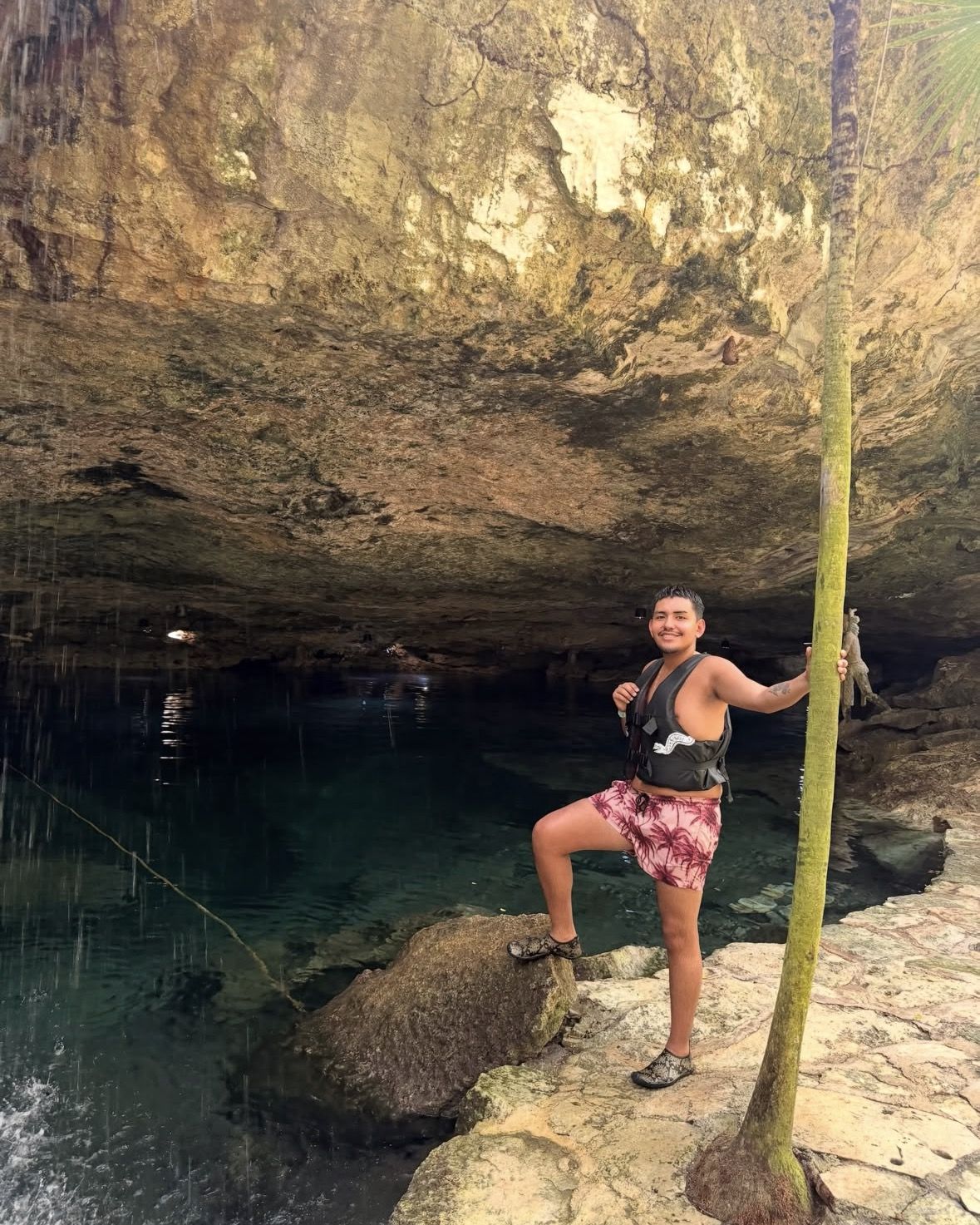
The Yucatán Peninsula hides thousands of stunning natural sinkholes filled with crystal-clear freshwater, sacred to the ancient Maya and irresistible to modern adventurers. Whether you swim, snorkel, or simply marvel at cathedral-like caverns, these natural wonders deliver unforgettable moments.
Featured Tour
The Tulum Ruins, Turtles in Akumal and Cenote tour is the perfect way to experience the best of Mexico's Caribbean coast without the hassle of planning multiple trips. You'll stand atop cliff-side Mayan ruins overlooking the turquoise sea, glide alongside gentle sea turtles in Akumal Bay, then plunge into the otherworldly cool of a freshwater cenote to snorkel through underground cave passages. A hearty taco lunch and all water activity gear are included, along with comfortable round-trip transportation so you can simply sit back and enjoy every moment.
About the Destination
The vast majority of these natural freshwater sinkholes are concentrated across Mexico's Yucatán Peninsula, stretching from Cancún south through Tulum and west toward Mérida. Thousands of accessible sites dot the jungle, each with its own character, depth, and atmosphere.
The Yucatán Peninsula sits atop one of the world's most extensive underground river systems, the Sac Actun network, carved over millions of years through porous limestone bedrock. When cavern ceilings collapse, they reveal spectacular open pools and semi-submerged grottos now known as cenotes. Major clusters exist near Tulum, Valladolid, and Playa del Carmen, making them easily accessible from virtually every tourist hub on the Caribbean coast. This geological abundance means travellers rarely need to venture far to find a breathtaking natural swimming hole.
For the ancient Maya, these freshwater pools were far more than swimming holes — they were sacred portals to Xibalba, the underworld, and primary sources of drinking water for inland cities. Sacrificial offerings, ceramic vessels, jade jewellery, and human remains have been recovered from their depths, providing archaeologists with extraordinary insight into Maya ritual life. The city of Chichén Itzá drew its water supply from the Sacred Cenote, Cenote Sagrado, where large-scale ceremonies were performed for centuries before and after Spanish colonisation.
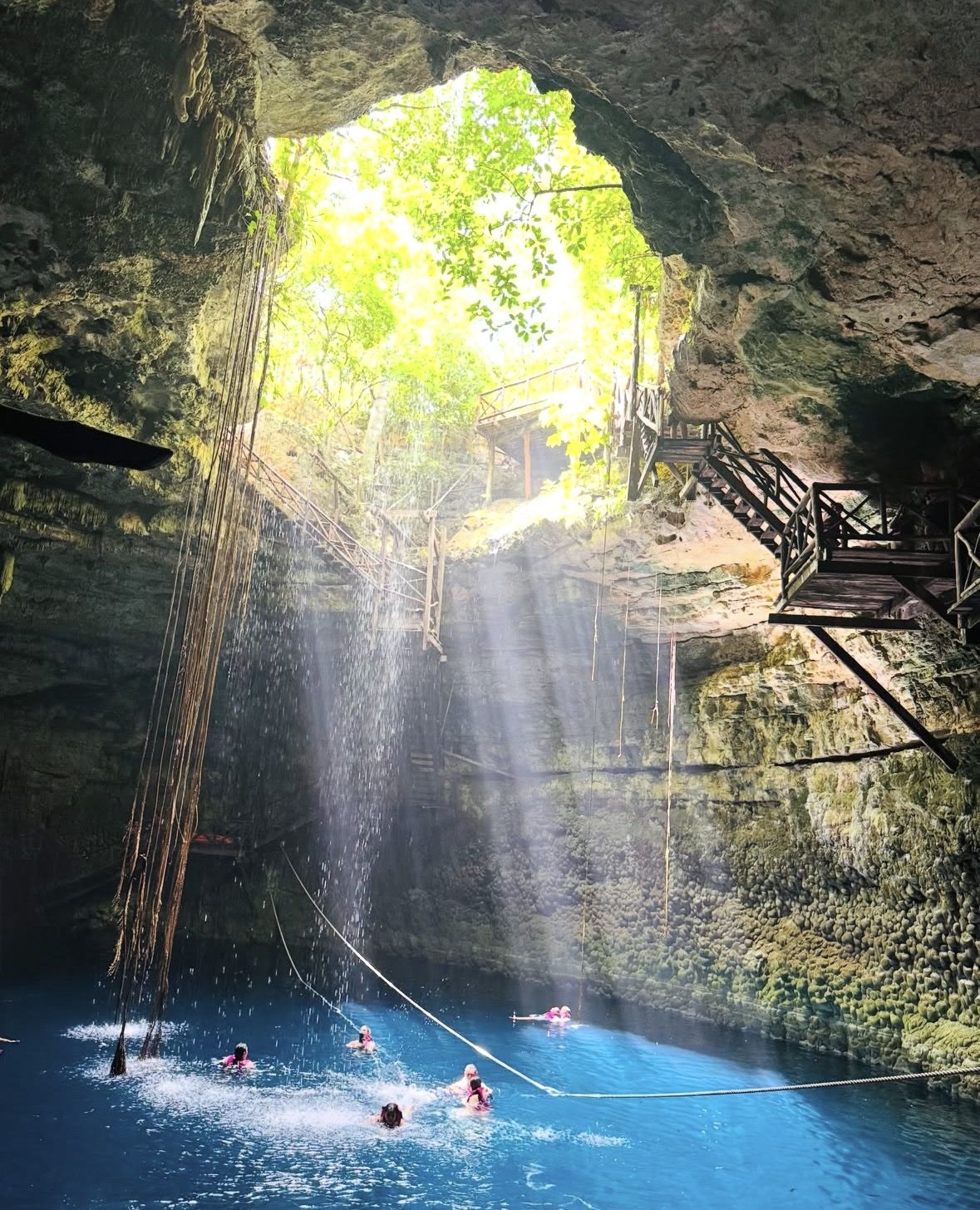
Today visitors can choose from open-air sky pools bathed in jungle sunlight, semi-open caverns with dramatic stalactites, and pitch-dark cave systems requiring headlamps and dive equipment. The experience ranges from a calm family paddle in a shallow halocline pool to a heart-pounding cavern dive along submerged passages. Early morning visits reward swimmers with soft golden light rays piercing turquoise water, a photographic moment that consistently ranks among travellers' most treasured memories from Mexico. Guided tours add context, safety, and access that independent visitors simply cannot replicate.
Mexico's National Institute of Anthropology has catalogued over 6,000 of these natural formations across the Yucatán alone. Many remain unexplored, and new sites are still being discovered deep in the jungle every year.
The Sac Actun system near Tulum holds the Guinness World Record as the longest known underwater cave on Earth. Certified cave divers can explore sections of this interconnected labyrinth that links dozens of named sinkholes.
Archaeologists have retrieved hundreds of ceremonial objects, jade masks, gold discs, and skeletal remains from the Sacred Cenote at Chichén Itzá. These finds confirmed the pools' central role in Maya religious sacrifice and ritual.
Thanks to their underground origin, the waters stay at a refreshing 24–26 °C regardless of the season or surface air temperature. This consistency makes them perfect for swimming in both the humid summer and cooler winter months.
Geologists classify them into four main types: open sky, semi-open, cavern, and cave. Each offers a dramatically different atmosphere, from sun-drenched jungle pools to pitch-black subterranean passages accessible only by scuba.
Many sites host unique freshwater ecosystems including blind cave fish, turtles, and hundreds of bat species roosting in cavern ceilings. Some pools contain a halocline — a visible boundary where fresh and saltwater meet and create an otherworldly lens effect.
Snorkeling in these crystalline pools is the single most popular activity, revealing submerged stalactites, darting fish, and ancient root formations. A cenote snorkeling tour typically provides all equipment and a knowledgeable guide who identifies geological and biological highlights.
Many open-sky sites feature natural ledges and purpose-built rope swings ranging from 3 to 10 metres above the water. The adrenaline rush of leaping into perfectly transparent turquoise water is a bucket-list experience for adventure seekers of all ages.
A tulum ruins and cenote tour lets you walk the clifftop Maya site overlooking the Caribbean before cooling off in a nearby freshwater pool. This pairing of archaeology and nature perfectly captures the dual essence of the Yucatán travel experience.
Certified divers can penetrate deeper cave systems inaccessible to snorkelers, gliding through halocline layers and past millennia-old stalagmites. Specialist cenote dive operators in Tulum and Playa del Carmen offer courses, equipment rental, and guided cave passages.
The shafts of sunlight that pierce cavern openings in the morning hours create some of the most dramatic natural light photography in the world. Many private tour operators accommodate dedicated photography sessions, allowing extra time for composition without group pressure.
Several jungle cenote sites near Tulum now host sunrise yoga sessions on floating platforms or along limestone shores. Combining meditation with a sacred swim in these ancient pools has become a centrepiece of the Tulum wellness tourism scene.
See how Yucatán's freshwater sinkholes stack up against other iconic natural swim experiences around the world.
Travellers seeking extraordinary natural swimming experiences often weigh a Cenote visit against comparable destinations in other countries. Blue holes in Belize, thermal pools in Iceland, and sea caves in Greece each offer dramatic water-based adventures, but they differ significantly in crowd levels, cost, and the unique cultural or geological story behind them. This comparison table helps you understand exactly what sets each destination apart so you can choose the experience that best matches your travel style, budget, and sense of adventure.
| Crowds | Price | Best For | What Sets It Apart | |
|---|---|---|---|---|
| ★ Cenote (Yucatán) | Moderate — varies by site | $ Budget-friendly | Snorkeling, archaeology, culture | Maya sacred history + underground river network |
| Blue Hole (Belize) | Low — remote location | $$$ Premium dive trips | Advanced scuba divers | World-famous circular reef drop-off from the air |
| Silfra Fissure (Iceland) | Moderate crowds | $$$$ High-end tours | Snorkeling between tectonic plates | Exceptional water clarity, unique geology |
| Melissani Cave (Greece) | High — very popular | $$ Moderate | Boat tours, sightseeing | Turquoise sea-cave lake with open roof |
While each of these destinations delivers a stunning water experience, a Cenote in the Yucatán uniquely combines accessibility, affordability, Maya cultural depth, and sheer variety — with thousands of individual sites ranging from beginner swims to expert cave dives. No other destination on Earth offers this scale of underground freshwater exploration paired with world-class archaeological heritage, making the Yucatán an unrivalled destination for aquatic adventure.
Travel Guide
Everything you need to plan the perfect visit — transport, timing, packing, and insider advice all in one place.
Most international visitors fly into Cancún International Airport (CUN), which serves direct routes from North America, Europe, and Latin America. From Cancún it is roughly 1–2 hours by road to the most popular swim sites near Tulum and Valladolid. Playa del Carmen, located 68 km south of Cancún along Highway 307, serves as an ideal base for day trips and is the departure point for many private cenote tour playa del carmen packages.
Once in the Riviera Maya, getting around is straightforward. Collectivo shared minivans run frequently between Playa del Carmen and Tulum for under $3 USD. Rental cars from Cancún or Playa del Carmen offer the most flexibility for reaching remote jungle sites. Organised tour operators provide round-trip transfers from all major hotel zones, which is the easiest option for first-time visitors unfamiliar with local roads.
The dry season from November through April is universally considered the best time to visit. Rainfall is minimal, humidity is manageable, and the jungle paths leading to sites are much easier to navigate. December through February can be slightly cooler with breezes from the north, making surface conditions more comfortable while water temperatures remain a constant 24–26 °C underground. This period coincides with peak tourism, so book tours in advance.
The rainy season runs May through October, with the heaviest downpours in June, September, and October, which also marks peak hurricane season. Despite rain, swimming is still perfectly enjoyable as water temperatures stay stable. The jungle turns lush and vibrant, crowds thin noticeably, and prices drop significantly. September and October carry the highest storm risk and some outdoor sites may temporarily close after heavy rainfall.
Biodegradable sunscreen is not just recommended — it is mandatory at most protected sites, as conventional chemical sunscreens damage the fragile ecosystem and are actively banned. Pack it before you leave home because biodegradable options can be hard to find locally. A well-fitting swimsuit, rash guard for sun protection, and water shoes or sandals with grip are the three clothing essentials for a safe and comfortable visit to any sinkhole.
Bring a dry bag to protect your phone, camera, and valuables, as lockers are not always available at jungle sites. A lightweight microfibre towel dries fast and packs small. Snorkelling masks and fins are usually provided on guided tours, but serious snorkelers or divers often prefer to bring their own. Cash in Mexican pesos is important as many smaller, family-run sites do not accept credit cards.
Arrive at any swim site as early as possible — ideally at opening time (usually 8–9 am) — to enjoy the famous light rays before tour buses arrive. Many sites are managed by local Maya ejido communities, and tipping guides generously is both culturally appreciated and economically important for these families. Photography inside cavern sites is usually permitted but tripods and flash are often restricted to protect the ecosystem.
Learn a few words of Spanish; while most guides near Tulum speak English, smaller inland sites around Valladolid may not have English-speaking staff. Carry small denomination pesos for tipping, roadside tacos, and entry top-ups. Do not bring food or plastic bottles into the water — even organic material disrupts the delicate aquatic ecosystem. The cenote chichen itza tour route passes through Valladolid, a charming colonial town worth a 30-minute stop for lunch.
No special vaccinations are required for the Yucatán beyond standard travel immunisations, but ensuring you are up to date on Hepatitis A and Typhoid is advisable before visiting Mexico. Pack a basic first-aid kit including antiseptic cream for limestone scrapes and oral rehydration salts for heat-related dehydration. Travel insurance covering water-based activities is strongly recommended and is a prerequisite on most reputable guided tours.
Always swim with a buddy and follow guide instructions, especially in cave and cavern environments where disorientation is a genuine risk. Respect posted depth markers; the darker cave systems require certified scuba qualifications and should never be attempted by casual snorkelers. Emergency services in the region are based primarily in Playa del Carmen and Cancún — the number for Mexican emergency services is 911, which works nationwide.
Explore More
Pair your swim with these iconic Yucatán landmarks and experiences, all within easy reach of the main sinkhole clusters.

The Half-Day Sea Turtle and Cenote Snorkeling Tour from Cancun & Riviera Maya is one of the most celebrated aquatic adventures in the Yucatán Peninsula.
Check this tour →
The Cenote Cancun Tour with Lunch and Roundtrip Transportation whisks you away from the resort strip and into the lush jungle of the Yucatán Peninsula, where mysterious sinkholes…
Check this tour →
The Jungle Buggy Tour from Playa del Carmen Including Cenote Swim is a 3-hour action-packed adventure that takes you deep into the heart of the Riviera Maya.
Check this tour →
The Tulum Ruins, Turtles in Akumal and Cenote tour is the perfect way to experience the best of Mexico's Caribbean coast without the hassle of planning multiple trips.
Check this tour →
The Playa del Carmen Buggy Tour with Cenote Swim and Mayan Village is the Riviera Maya's most thrilling all-in-one adventure.
Check this tour →Traveler Reviews
Travelers share their unforgettable Cenote experiences — read what makes these tours truly special.
"Booking a cenote snorkeling tour was the single best decision of our entire Yucatán trip. The crystal-clear turquoise water was unlike anything I'd ever swum in, and our guide made sure everyone felt safe and comfortable from start to finish. We saw incredible stalactite formations beneath the surface and the light filtering through the opening above was absolutely magical. I can't recommend this experience highly enough — it genuinely exceeded every expectation."
"We opted for a private cenote tour from Playa del Carmen and it was worth every single peso. Having the site almost entirely to ourselves early in the morning meant we could truly soak in the atmosphere without jostling crowds. Our guide was knowledgeable about the geology and Mayan history, which added real depth to the experience. The transfer was smooth, punctual, and the whole day felt effortlessly organised."
"The tulum ruins and cenote tour we joined was a fantastic combination — ruins in the morning, a refreshing swim in the afternoon. The archaeological site was impressive and our guide explained the history clearly and enthusiastically. The swim itself was stunning, though it got a little crowded around midday which slightly dampened the serenity. Still a brilliant day out and excellent value for money overall."
"I've visited many natural wonders around the world, but floating inside this ancient underground pool left me completely speechless. The light show created by the sun shining through the limestone opening is something photographs simply cannot capture. Our guide was warm, funny, and deeply passionate about preserving the ecosystem, reminding us to avoid sunscreen before entering. Absolutely a once-in-a-lifetime moment I'll treasure forever."
"We combined a cenote chichen itza tour into one incredible day and I honestly don't know how to rank which experience was more awe-inspiring. The ancient pyramid at dawn was breathtaking, and then plunging into the cool, sacred waters afterwards felt like the perfect counterpoint. Our guide seamlessly connected both sites through Mayan mythology, making everything feel deeply meaningful. I'd urge anyone visiting the Yucatán to do both on the same day if they can."
"The private cenote tour playa del carmen package we chose gave us a wonderfully personalised day compared to the large group tours we'd seen passing through. Our guide tailored the pace to our family, including our two young kids who loved the snorkeling with life jackets. The only minor downside was a short wait at the entrance due to a ticketing queue, but staff handled it efficiently. Overall a highly recommended choice for families wanting a relaxed, intimate outing."
"Honestly, I wasn't sure what to expect walking down into the cavern, but the sheer beauty of the place hit me like a wave the moment I stepped inside. The water was impossibly clear — you could see every pebble and root on the floor several metres below. Our guide shared fascinating details about how these natural sinkholes formed over thousands of years and their sacred role in Mayan culture. A genuinely transformative experience that I'd relive in a heartbeat."
"The cenote snorkeling tour was even better than the glowing reviews online suggested, which is saying something. We spent nearly two hours exploring the underground passages, and the visibility underwater was extraordinary — easily 20 to 30 metres. Our guide pointed out tiny blind fish and ancient tree roots that had grown down through the rock, details I never would have noticed on my own. Booking this tour was the highlight of our honeymoon, full stop."
Watch Before You Go
See why swimmers, divers, and adventurers from around the world rank these natural wonders among the most breathtaking experiences on Earth.
Location
The largest concentration of accessible freshwater sinkholes is centred around Tulum, Quintana Roo, Yucatán Peninsula, Mexico, with hundreds of named sites within a 30 km radius.
FAQ
Everything you need to know before booking your tour — honest answers to the most common questions about visiting a cenote.
Ready to dive into one of the world's most extraordinary natural wonders?
Book Your Tour NowDiscover More
For over two thousand years, the Maya considered these natural sinkholes to be sacred gateways to the underworld, performing elaborate ceremonies and offering precious objects to the rain deity Chaac at their edges. Centuries of ritual use, colonial suppression, and modern rediscovery have transformed them from spiritual shrines into one of the world's most compelling ecotourism destinations.